The keto diet – a fat-burning diet
Many people have heard of the keto diet and the idea of “entering ketosis”, but what does it actually mean? In this article, we explain how the keto diet works, what the research says, and the advantages and disadvantages associated with it.


.svg)
The keto diet in brief
The keto diet is a strict low-carbohydrate diet (maximum 20–50 grams per day) where most of the energy intake comes from fat and protein. It is a low-carbohydrate, high-fat diet designed to induce ketosis. The diet works by shifting the body’s energy use from carbohydrates to fat.
A key part of a ketogenic diet is entering a state called ketosis. This means that the body produces ketones and uses fat as its primary energy source instead of carbohydrates. To achieve ketosis, carbohydrate intake must be kept very low.
The keto diet often leads to spontaneous weight loss, which can result in several positive health effects. This is because the body normally uses glucose as fuel before switching to fat. The aim of the keto diet is to shift the body into a state where it uses fat as its fuel source more frequently.
A ketogenic diet increases fat burning but also increases fat storage, as the body uses whatever energy is available. High fat burning is not the same as weight loss. You should always consult healthcare professionals before starting a keto diet, particularly if you have underlying health conditions or are taking medication.
Ketosis may have beneficial effects, such as reduced hunger, but it is generally not recommended alongside GLP-1 medication, as a high intake of fat increases the risk of side effects.
What is a ketogenic diet?
A ketogenic diet, or keto diet, involves eating very few carbohydrates and a larger amount of fat to lose weight. The keto diet is similar to LCHF (Low Carb High Fat) but with a clearer and stricter carbohydrate limit. It is a form of low-carbohydrate diet where the goal is to minimise carbohydrate intake.
Typically, 50 grams of carbohydrates per day is considered the upper limit, although some versions recommend as little as 20 grams. Protein intake is sometimes limited because certain amino acids can be converted into glucose in the liver. The reduced availability of carbohydrates causes the body to switch to fat as its main energy source and enter ketosis.
What is ketosis?
Because not all organs can use fat directly as fuel, the liver produces ketone bodies from fat — hence the term ketosis. Ketones can be used as fuel by the brain, which cannot use fat as an energy source.
To determine whether you are in ketosis, you can measure ketones in the blood, urine or breath. Other signs of ketosis include bad breath (acetone smell), fatigue, difficulty concentrating, drowsiness and sleep problems. These symptoms are often referred to as the “keto flu”. They are temporary and usually resolve within days to a few weeks.
Which foods are included in the keto diet?
Reducing carbohydrate intake to a total of 20–50 grams per day requires substantial dietary changes. Carbohydrate-rich foods are excluded or heavily limited and replaced with high-fat foods.
Examples of foods included in the keto diet:
- Meat and processed meats, such as sausages and bacon
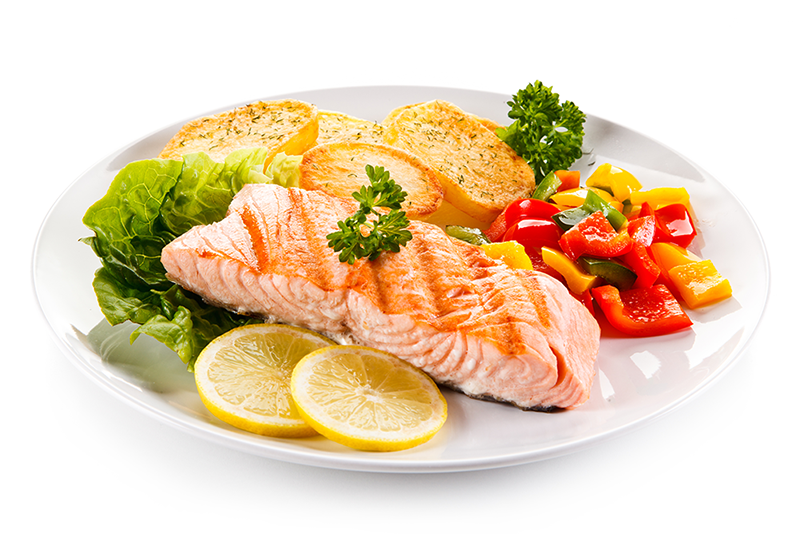
- Fish and seafood, especially oily fish like salmon, mackerel and herring
- Poultry
- Cheese
- Eggs
- Fats such as butter, coconut oil and other oils
- Full-fat dairy products (e.g. cream, crème fraîche and yoghurt ≥10% fat)
- Nuts and seeds
- Low-carbohydrate vegetables such as leafy greens, avocado and broccoli
- Berries (in small amounts)
Which foods are not included in the keto diet?
Foods high in carbohydrates should be severely restricted. Examples include:
- Sweets such as chocolate, cakes and ice cream
- Sugary drinks such as juice, fizzy drinks and squash
- Grains such as bread, pasta and rice
- Potatoes and root vegetables
- Beans and lentils
- Higher-carbohydrate vegetables such as peas and sweetcorn
- Fruit
Health benefits of the keto diet – what does the research say?
There are several potential benefits to a ketogenic diet. Studies have shown that the keto diet often leads to spontaneous initial weight loss. This is partly because many of the food groups that we commonly overeat are not included in a ketogenic diet. Once the body enters ketosis, hunger typically decreases after a few days, making the diet easier to follow.
Research indicates that a ketogenic diet may improve several health markers, including lowered insulin levels, triglycerides, long-term blood glucose (HbA1c), cholesterol levels, liver markers and blood pressure. However, these improvements are often a result of weight loss itself. This makes it uncertain whether the positive effects of a ketogenic diet persist if weight loss does not occur.
One group for whom the benefits are well established is people with treatment-resistant epilepsy, where a ketogenic diet has been shown to significantly reduce seizure frequency.
Drawbacks of the keto diet
It is common to feel unwell and to experience what is known as the “keto flu” during the first phase of the diet. This can make it difficult to remain strict enough for the body to enter ketosis.
Because the keto diet excludes many food groups – such as grains, fruits and legumes – there is a risk that the body may not receive all the vitamins and minerals it needs. Fibre intake also decreases on a ketogenic diet, which can increase the risk of digestive issues such as constipation and diarrhoea.
Another consequence is that saturated fat intake often increases considerably. A high intake of saturated fat raises levels of LDL (“bad”) cholesterol, which is associated with an increased risk of cardiovascular disease. For this reason, the keto diet may increase the risk of negative long-term health outcomes.
People with type 1 diabetes should not follow a ketogenic diet, as it increases the risk of ketoacidosis – a life-threatening condition in which the blood becomes too acidic.
The keto diet for weight loss
The keto diet can be effective for weight loss. Calorie intake often decreases spontaneously, even without consciously trying to eat less. Weight loss is usually rapid during the first few days, as the body uses stored glycogen in the liver and muscles for fuel. Because glycogen binds water, water weight also decreases as these stores are depleted. This leads to quick results on the scales, which can increase motivation.
When the body shifts from using glucose to using fat as its main fuel, fat burning increases. This is often portrayed as something revolutionary because fat burning is associated with weight loss. However, fat burning should not be confused with actual weight loss. Fat burning only indicates where the body’s energy is coming from. What ultimately determines weight loss is the energy balance: consuming fewer calories than you burn will always result in weight loss, regardless of the diet.
The keto diet and Yazen
A high-fat diet increases the risk of gastrointestinal side effects from GLP-1 medication. At Yazen, we therefore do not recommend a ketogenic diet alongside GLP-1 treatment. If someone chooses to try the keto diet independently and tolerates it well, we recommend focusing on healthy fat sources, protein, as well as vegetables and berries.
At Yazen, we do not promote any particular diet. Instead, we focus on healthy eating and lifestyle habits based on current nutritional guidelines. At the same time, we believe it is important that people feel free to make choices that suit their own preferences and daily life. Always speak to your Yazen team before making major dietary changes, so they can help you make adjustments based on your individual needs.
For those who want to learn more about different eating patterns, we recommend our article series on diets.
References
Castaldo, G., Palmieri, V., Galdo, G., Castaldo, L., Molettieri, P., Vitale, A., & Monaco, L. (2016). Aggressive nutritional strategy in morbid obesity in clinical practice: Safety, feasibility, and effects on metabolic and haemodynamic risk factors. Obesity research & clinical practice, 10(2), 169–177. https://doi.org/10.1016/j.orcp.2015.05.001
Dashti, H. M., Mathew, T. C., Hussein, T., Asfar, S. K., Behbahani, A., Khoursheed, M. A., Al-Sayer, H. M., Bo-Abbas, Y. Y., & Al-Zaid, N. S. (2004). Long-term effects of a ketogenic diet in obese patients. Experimental and clinical cardiology, 9(3), 200–205.
Choi, Y. J., Jeon, S. M., & Shin, S. (2020). Impact of a Ketogenic Diet on Metabolic Parameters in Patients with Obesity or Overweight and with or without Type 2 Diabetes: A Meta-Analysis of Randomized Controlled Trials. Nutrients, 12(7), 2005. https://doi.org/10.3390/nu12072005
Johnstone, A. M., Horgan, G. W., Murison, S. D., Bremner, D. M., & Lobley, G. E. (2008). Effects of a high-protein ketogenic diet on hunger, appetite, and weight loss in obese men feeding ad libitum. The American journal of clinical nutrition, 87(1), 44–55. https://doi.org/10.1093/ajcn/87.1.44
O'Neill, B., & Raggi, P. (2020). The ketogenic diet: Pros and cons. Atherosclerosis, 292, 119–126. https://doi.org/10.1016/j.atherosclerosis.2019.11.021
Masood, W., Annamaraju, P., Khan Suheb, M. Z., & Uppaluri, K. R. (2023). Ketogenic Diet. In StatPearls. StatPearls Publishing.
Alharbi, A. och Al-Sowayan, N. (2020) The Effect of Ketogenic Diet on Health. Food and Nutrition Sciences , 11 , 301-313. doi: 10.4236/fns.2020.114022 .


June 27, 2024
December 15, 2025
Start your weight loss journey with Yazen today
Everything you need to do is to create an account and answer some questions about your health
.svg)
.svg)