

Elinor Medhammar
Elinor Medhammar is a Registered Dietitian with experience in medical nutritional therapy and lifestyle interventions in primary care, research projects, and a specialist clinic for childhood obesity. At Yazen, she works on developing lifestyle programmes and app content to support patients in their weight journey.




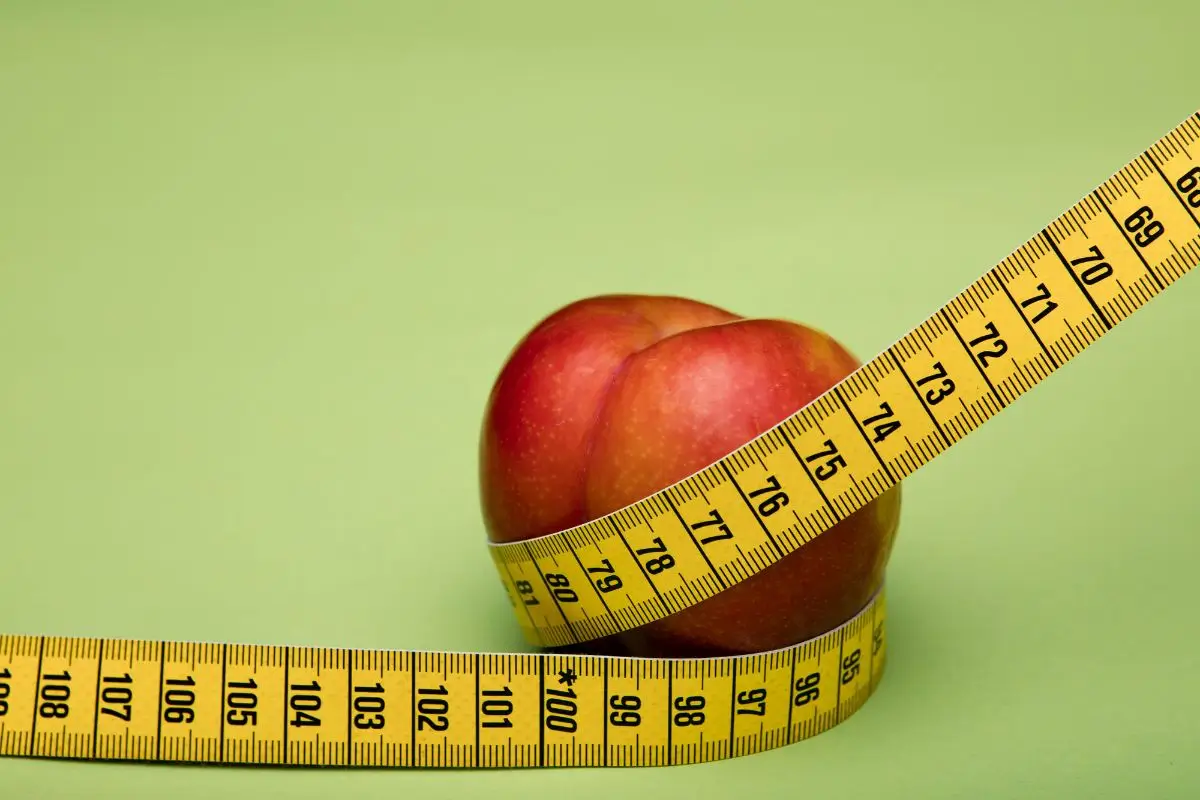
Get rid of belly fat – why it accumulates around the stomach and how you can reduce it
Many people want to get rid of belly fat for aesthetic reasons, but the health benefits of reducing your waist circumference are significantly more important. A waist circumference over 80 cm for women and 94 cm for men increases the risk of both type 2 diabetes and cardiovascular disease. In this article, we explain what belly fat is, why it often accumulates around the stomach, and which changes can reduce waist circumference in a healthy way.

Stop eating candy to lose weight? – how to create a sustainable balance
Do you have to stop eating candy to lose weight? No, but if you eat a lot of sweets, it can be smart to cut down – it often makes weight loss easier. A total ban rarely gives sustainable results. Long-term health is about a balanced whole where nutritious food, satiety, and enjoyment all have their place. Here are tips for reducing sweets and building sustainable habits.

Barbell training for strength and muscle mass
Barbell training can be a simple and effective way to get started with strength training – whether you are a beginner or more experienced. With a few basic exercises, you train several major muscle groups and can adjust both weight and tempo after your daily form. Here you get practical advice on technique, common exercises, and how to train in a safe way.

Losing weight during menopause: a guide to lasting results
Many women notice that their body changes during menopause. More fat may gather around the stomach while muscle mass gradually decreases. But what is actually happening in the body, and how does it affect weight? In this article, we look at what research shows and which strategies may help if you want to lose weight during menopause.

Caesar salad – healthier, high-protein recipes
Caesar salad is a timeless favourite: crisp romaine lettuce, salty Parmesan and a creamy dressing with lemon and garlic. In this guide, you’ll see how to keep those classic flavours while making the salad more filling and higher in protein, using chicken, a lighter dressing and even a creative pizza-style option with a chicken base.

Antioxidant supplements – do you need them, or is food enough?
Antioxidants help protect your cells from damage caused by free radicals. They’re often marketed as a way to protect against stress and disease, but research shows they rarely deliver the promised benefits. In some cases, high doses can even increase the risk of certain conditions. In this article, we explain how antioxidants work and why getting them from food is better for your health than taking supplements.
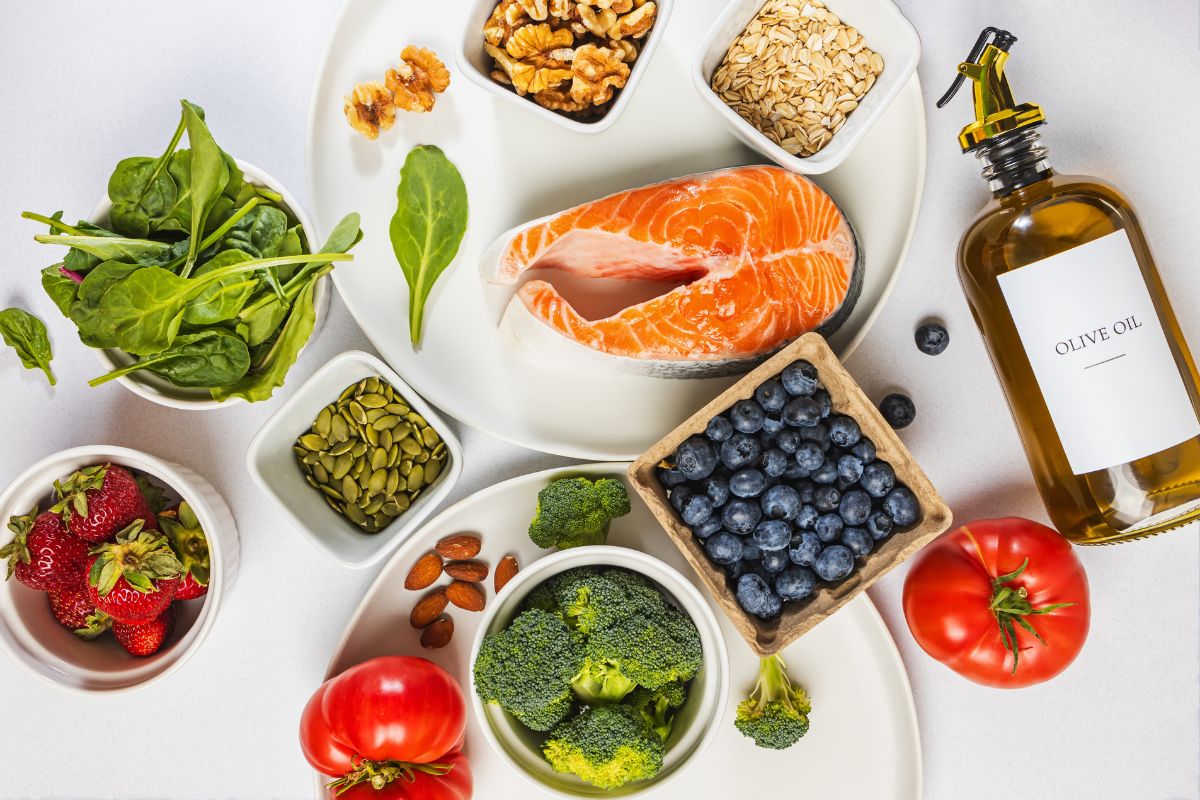
Anti-inflammatory eating – everything you need to know
Anti-inflammatory eating has become a bit of a buzzword, often marketed with “superfoods” and promises of better health and wellbeing. At the same time, it’s a very broad term that’s used in lots of different ways. In this article, we explain what anti-inflammatory eating actually means and what kind of health effects you might realistically expect.
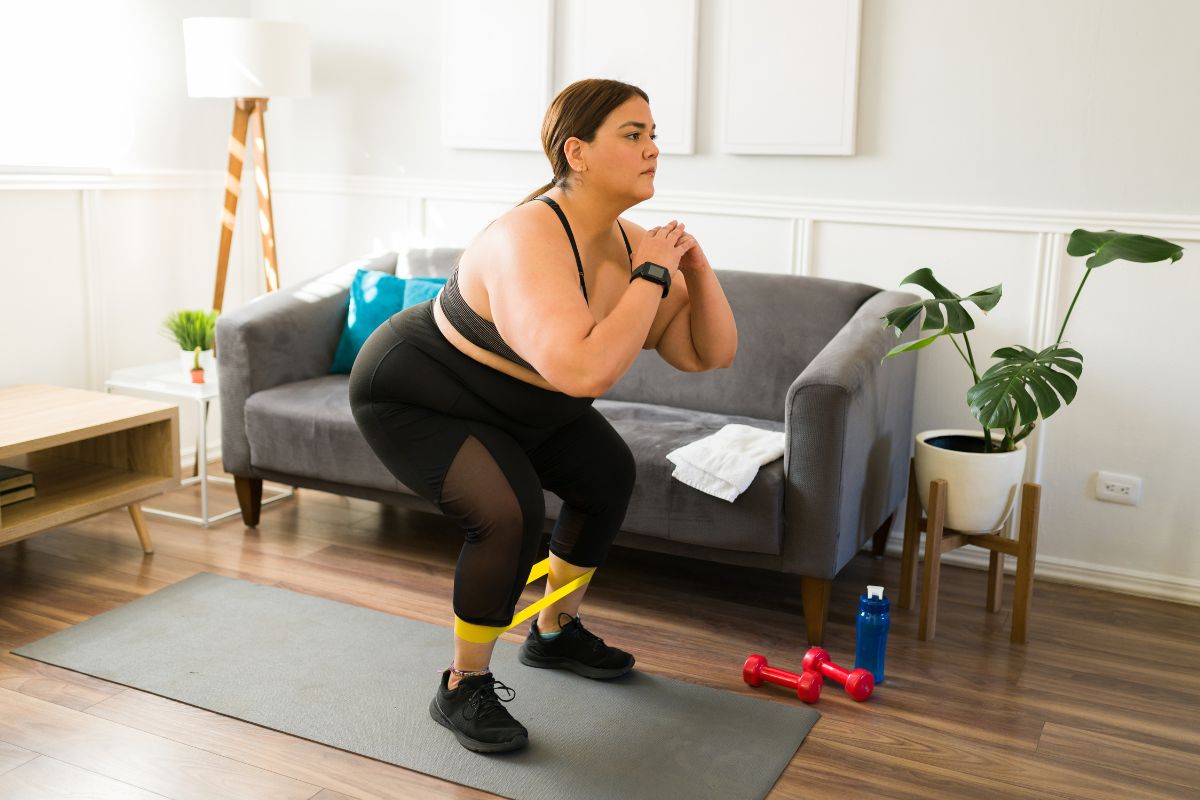
Losing weight with home workouts – does it actually work?
For many people, working out at home feels like a more realistic way to get started than having to make it to the gym. When you can exercise on your own terms, in your own space, it lowers the barrier to getting going. And home workouts can be just as effective as training at the gym.
