
Strength training for weight loss – for results that last
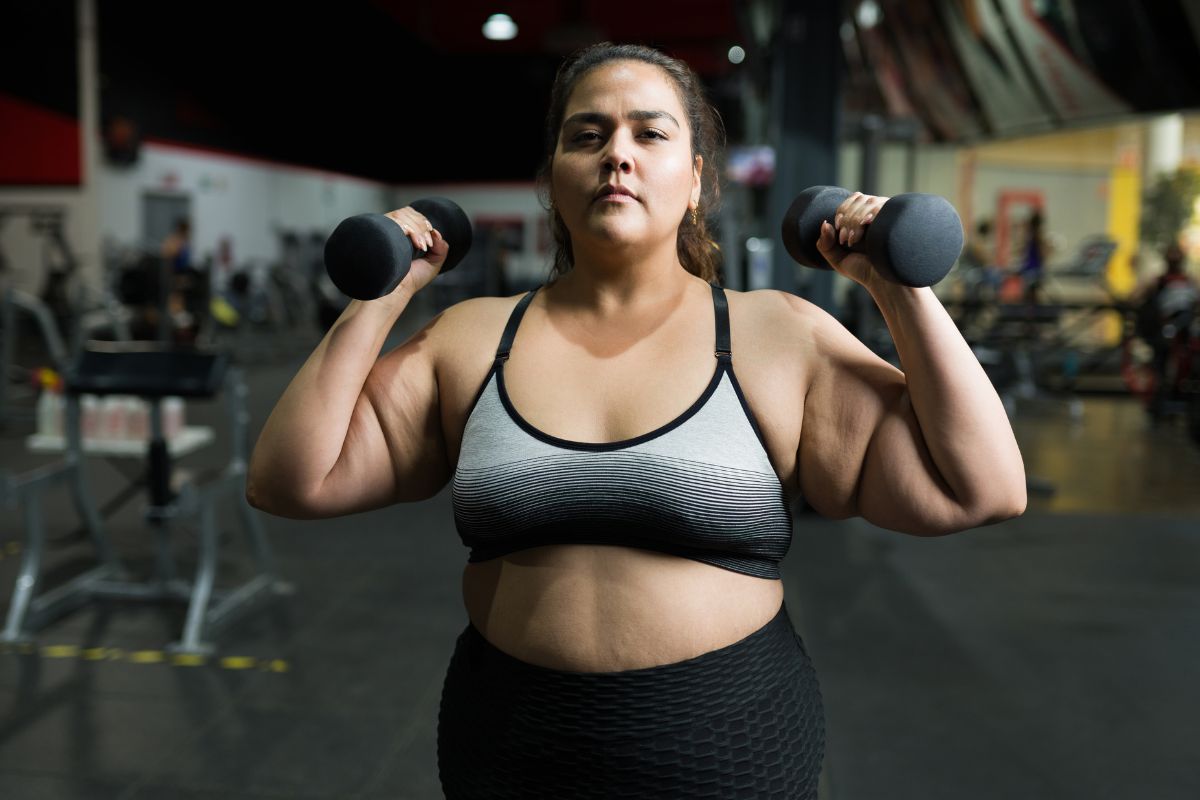
Many people who want to lose weight focus mainly on food and cardio. But strength training during weight loss plays a key role in both your results and how your body feels in the long run. By building and maintaining muscle mass, you can boost fat burning, lower the risk of regaining weight, and support a stronger, more functional body.


.svg)
Why is strength training important and how does it affect weight loss?
Muscles play a big role in your metabolism. The more muscle mass you have, the more energy your body uses, even at rest. Strong muscles help keep weight stable over time, support healthy blood sugar levels, and reduce strain on your bones and joints.
Muscles also matter for posture, balance and coping with everyday activities, like carrying heavy shopping bags or getting around by bike. On top of that, better muscle mass and strength lower the risk of several common conditions, such as type 2 diabetes, heart disease and osteoporosis.
So strength training is not just about appearance. It is an important part of long-term health.
Benefits of strength training when you want to lose weight
One benefit of strength training during weight loss is improved body composition. Even if the number on the scales does not change much, body fat can decrease while muscle mass is maintained.
Strength training can also help you keep your physical function while losing weight. When strength and stability are preserved, everyday movements often feel easier, which can make it simpler to stay active during your weight loss journey.
For some people, strength training also supports motivation. Getting stronger and feeling more capable can give a clear sense of progress, which helps many people stick with lifestyle changes over time.
Are there any risks with strength training?
Strength training is generally safe, but like all physical activity, there are some risks. Poor technique, lifting weights that are too heavy, or progressing too quickly can increase the risk of strain or injury, especially if you are new to training.
Starting at a level that suits your body and gradually increasing load, intensity and weights, while focusing on good technique, helps reduce these risks. Always adapt your training to your own abilities.
If you live with obesity, joint problems or other medical conditions, some exercises may need adjusting. In those cases, support from a physiotherapist or personal trainer can be helpful.
How many times a week should you strength train when losing weight?
Most people are advised to strength train all major muscle groups at least two to three times per week. If you train up to three sessions a week, full-body workouts each session often work well. Make sure to rest at least one day between strength sessions.
If you train more often than two to three times per week, it is usually better to split sessions, for example upper body and lower body or by muscle groups, so muscles have time to recover.
Planning your workouts into the week can help with structure and increase the chance that training actually happens. Training consistently and following a programme also makes it easier to track and review progress.
Strength training for beginners: how to get started
If you are new to strength training, it can feel unfamiliar, uncertain or even a bit intimidating. The good news is there are many ways to start, such as bodyweight exercises or using machines. You do not need a gym either. You can train at home or outdoors.
It often helps to focus on compound exercises that work several muscle groups at once, such as squats, deadlifts and bench press.
Do not be afraid to try different exercises or ask for help if you feel unsure. Everyone, even regular gym-goers, started out as a beginner.
Example training programme (2 sessions per week)
This programme is designed to train the whole body twice a week, split into two sessions. It can be done in a gym or at home if you have access to weights or resistance bands. Warm up for 5 to 10 minutes before you start, for example with light cardio or dynamic mobility.
Session 1
- Squats or leg press – 3 x 10 to 12 reps
- Chest press or wall push-ups or bench push-ups – 3 x 8 to 12 reps
- Seated row or resistance band row – 3 x 10 to 12 reps
- Shoulder press – 3 x 8 to 10 reps
- Core exercise, such as dead bug or plank – 3 x 20 to 30 seconds
Session 2
- Lunges, forwards or backwards – 3 x 8 reps per leg
- Deadlifts – 3 x 10 to 12 reps
- Lat pulldown machine or resistance band – 3 x 10 to 12 reps
- Lateral shoulder raises – 3 x 10 to 12 reps
- Core exercise, such as side crunches or leg lowers – 3 x 10 to 12 per side or leg
Rest for 60 to 90 seconds between sets and exercises, depending on how you feel that day.
Example of a home circuit workout
A home circuit is a great way to start strength training on your own without going to the gym or using equipment.
Circuit training
- Chair squats
- Wall push-ups
- Towel lat pulls
- Glute bridges
- Kneeling plank
Do each exercise for 30 seconds, rest for 30 seconds, and repeat the full circuit 2 to 3 times.
Is exercise alone enough to lose weight?
For most people, exercise on its own is not enough for weight loss. What and how much you eat and drink usually has the biggest impact on weight change. Physical activity often contributes less to weight loss in the short term, but it still plays an important role overall.
For best results, strength training is recommended alongside dietary changes and more everyday movement. It is the combination that supports sustainable weight loss.
Food and nutrition during weight loss
Weight loss always requires an energy deficit. This means using more energy than you take in. You can create this by eating a bit less, moving more, or ideally a mix of both.
When losing weight, it is important that your diet is filling and nutritious so your body gets what it needs. Protein should play a key role, as it helps you feel full and, together with strength training, supports muscle mass and metabolism. Make sure you also include healthy fats and carbohydrates.
Choose filling foods that are often high in protein and fibre, have a large volume and lower energy density. Examples include vegetables, pulses, wholegrains, potatoes and lower-fat dairy products.
Focus on nutrient-rich foods and cut back on calories from drinks, sugar, alcohol and foods high in energy but low in nutrition. A balanced plate with plenty of vegetables, enough protein and an appropriate amount of carbohydrates, with water as your main drink, can make weight loss easier to maintain. Small, long-term changes to eating habits often make the biggest difference over time.
Summary
Strength training is an important part of sustainable weight loss because it helps preserve muscle mass, supports physical function and complements dietary changes over time. For many people, it helps to start simple, focus on technique and build habits step by step rather than trying to do everything at once.
Weight loss often takes time and patience. Changes do not happen overnight, and slowing the pace can help create habits that last.
By combining strength training with food choices, everyday movement and individual adjustments, you create better conditions for long-term results.


January 22, 2026
February 25, 2026
Start your weight loss journey with Yazen today
Everything you need to do is to create an account and answer some questions about your health
.svg)
.svg)
More articles


Swimming as exercise – fitness, weight and health
Swimming as exercise is gentle, effective and suitable for most people – including those with overweight, osteoarthritis or after pregnancy. The buoyancy of water reduces the load on joints and the skeleton by up to 90%, making swimming a low-impact form of exercise that is very gentle on the body.
Lose weight without exercise: a guide and your options
Many people think exercise is essential for losing weight. But at its core, weight is about energy balance. How much energy you take in compared to how much your body uses. That means it is possible to lose weight even if you are not exercising. At the same time, being active is one of the best things you can do for your long-term health.
Barbell training for strength and muscle mass
Barbell training can be a simple and effective way to get started with strength training – whether you are a beginner or more experienced. With a few basic exercises, you train several major muscle groups and can adjust both weight and tempo after your daily form. Here you get practical advice on technique, common exercises, and how to train in a safe way.