
Linda Cronberg
Linda Cronberg is a registered dietitian with a Bachelor’s degree in Sports Science and has over 25 years of experience in healthcare and social care, 15 of which have been focused on lifestyle and behavioural change in relation to overweight and obesity. At Yazen, Linda works as a Medical Copywriter and Content Developer, and is also involved in the development of the company’s own nutritional supplements.




Tired and gaining weight? Common causes and what you can do
Do you recognize the feeling of being tired all the time while also gaining weight, without understanding why? You’re not alone. Many people experience that their body feels heavier and everyday life more demanding when energy levels are low. It can be both frustrating and worrying, but there are often explanations for why this happens.

Antioxidant supplements – do you need them, or is food enough?
Antioxidants help protect your cells from damage caused by free radicals. They’re often marketed as a way to protect against stress and disease, but research shows they rarely deliver the promised benefits. In some cases, high doses can even increase the risk of certain conditions. In this article, we explain how antioxidants work and why getting them from food is better for your health than taking supplements.

Anti-inflammatory eating – everything you need to know
Anti-inflammatory eating has become a bit of a buzzword, often marketed with “superfoods” and promises of better health and wellbeing. At the same time, it’s a very broad term that’s used in lots of different ways. In this article, we explain what anti-inflammatory eating actually means and what kind of health effects you might realistically expect.
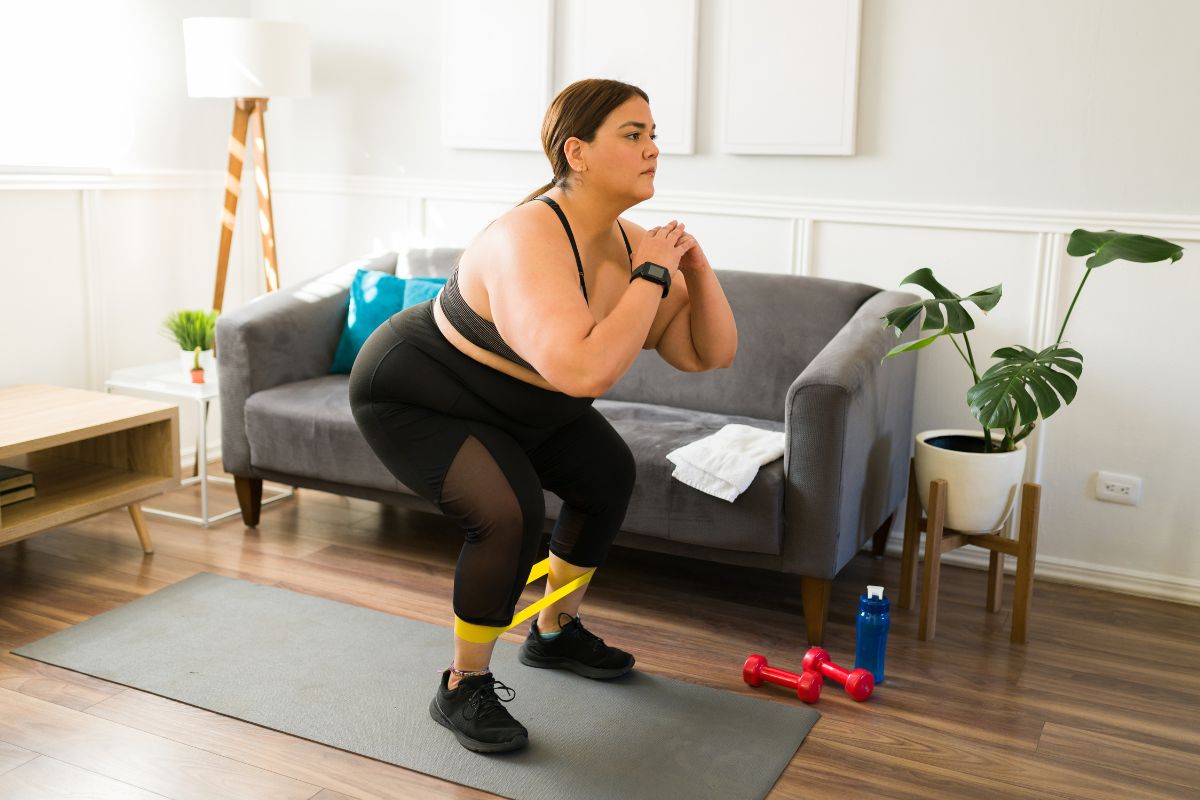
Losing weight with home workouts – does it actually work?
For many people, working out at home feels like a more realistic way to get started than having to make it to the gym. When you can exercise on your own terms, in your own space, it lowers the barrier to getting going. And home workouts can be just as effective as training at the gym.

Calculate body fat percentage – how it works and what it means for your health
Body fat percentage shows how much of your body weight is made up of fat. It’s often used alongside BMI and weight to give a more rounded picture of health. But how do you actually calculate body fat percentage, what methods are available, and what do the numbers really tell you?
.jpg)
.jpg)
Support with weight loss through medication and lifestyle changes
Struggling to lose weight isn’t just about what you eat or how much you move. Body weight is controlled by a complex mix of biological factors, including hormones, appetite and fullness signals, and how your metabolism works.
For people who have already tried making lifestyle changes without seeing enough or lasting results, medication alongside lifestyle support can be an option to consider.
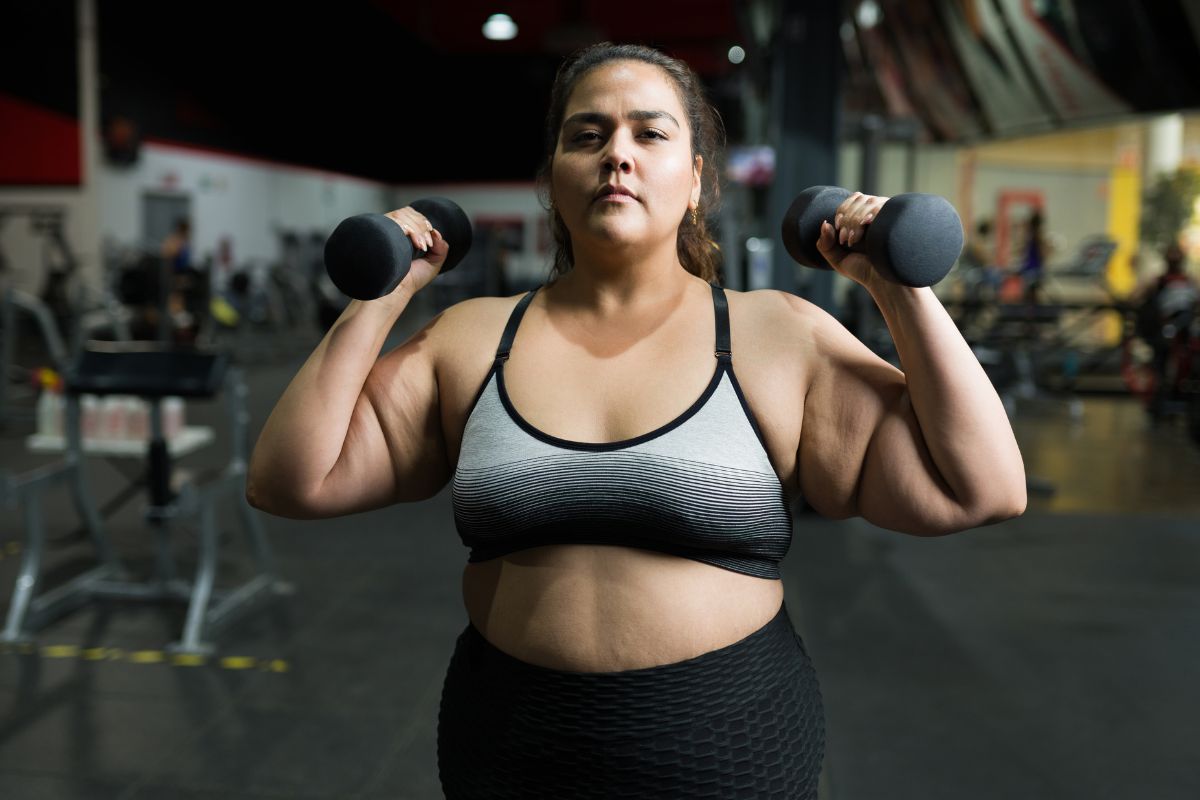
Strength training for weight loss – for results that last
Many people who want to lose weight focus mainly on food and cardio. But strength training during weight loss plays a key role in both your results and how your body feels in the long run. By building and maintaining muscle mass, you can boost fat burning, lower the risk of regaining weight, and support a stronger, more functional body.
Lose weight without exercise: a guide and your options
Many people think exercise is essential for losing weight. But at its core, weight is about energy balance. How much energy you take in compared to how much your body uses. That means it is possible to lose weight even if you are not exercising. At the same time, being active is one of the best things you can do for your long-term health.
