
All articles
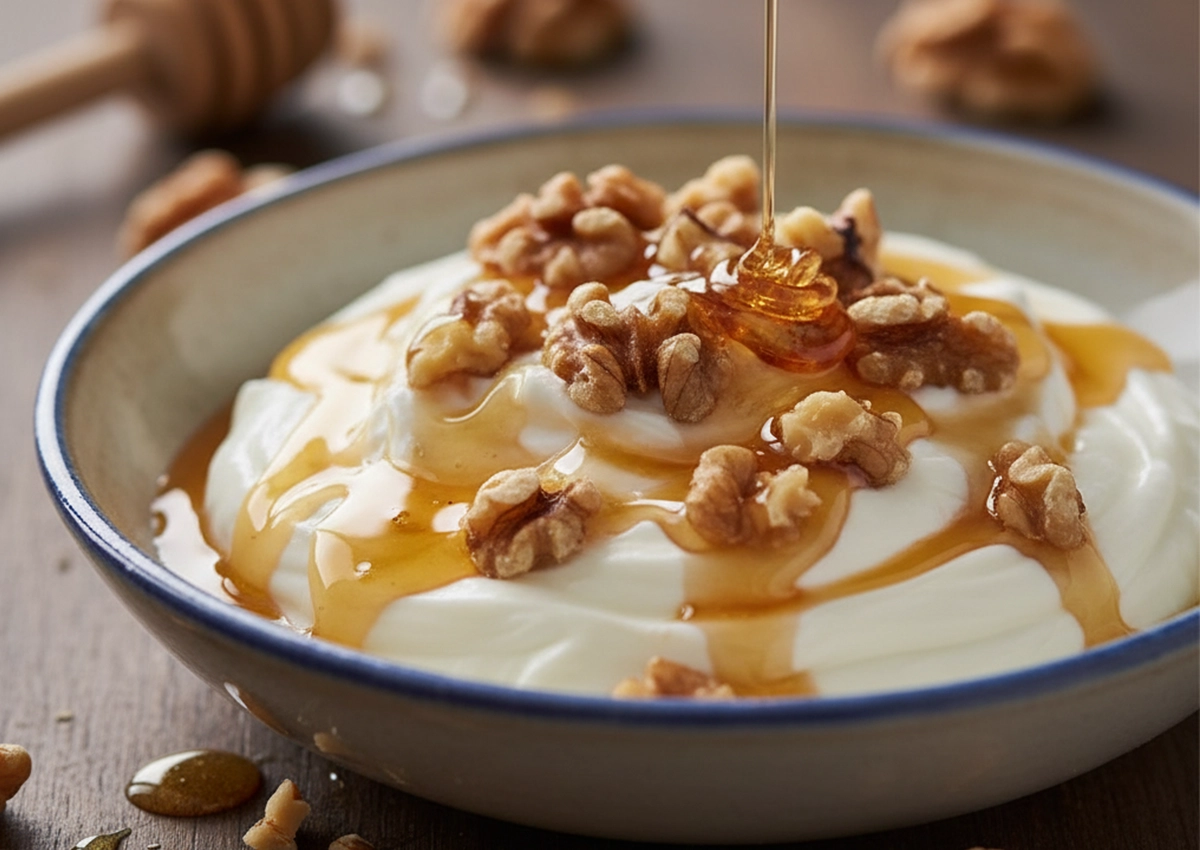

Greek Yogurt with Honey & Walnuts
By Tristan Welch
Simple, elegant, and naturally satisfying, this Greek Yoghurt with Honey & Walnuts is a timeless classic. Creamy, protein-rich yoghurt is balanced with golden honey and crunchy toasted walnuts. Ready in minutes, it’s an effortless breakfast, snack, or light dessert that feels indulgent yet wholesome.

Modern medical treatment of overweight and obesity with GIP and GLP-1 analogues – What happens in your body
Obesity is now one of the world’s greatest public health challenges. According to the WHO, more than 1 billion people worldwide have obesity, including over 650 million adults and 340 million children and adolescents. The prevalence has more than tripled since 1975 and continues to rise in almost every part of the world.
Having severe overweight or obesity is not only about body weight but about health. A high proportion of body fat increases the risk of many different diseases, such as type 2 diabetes, cardiovascular disease, osteoarthritis and certain types of cancer (1).
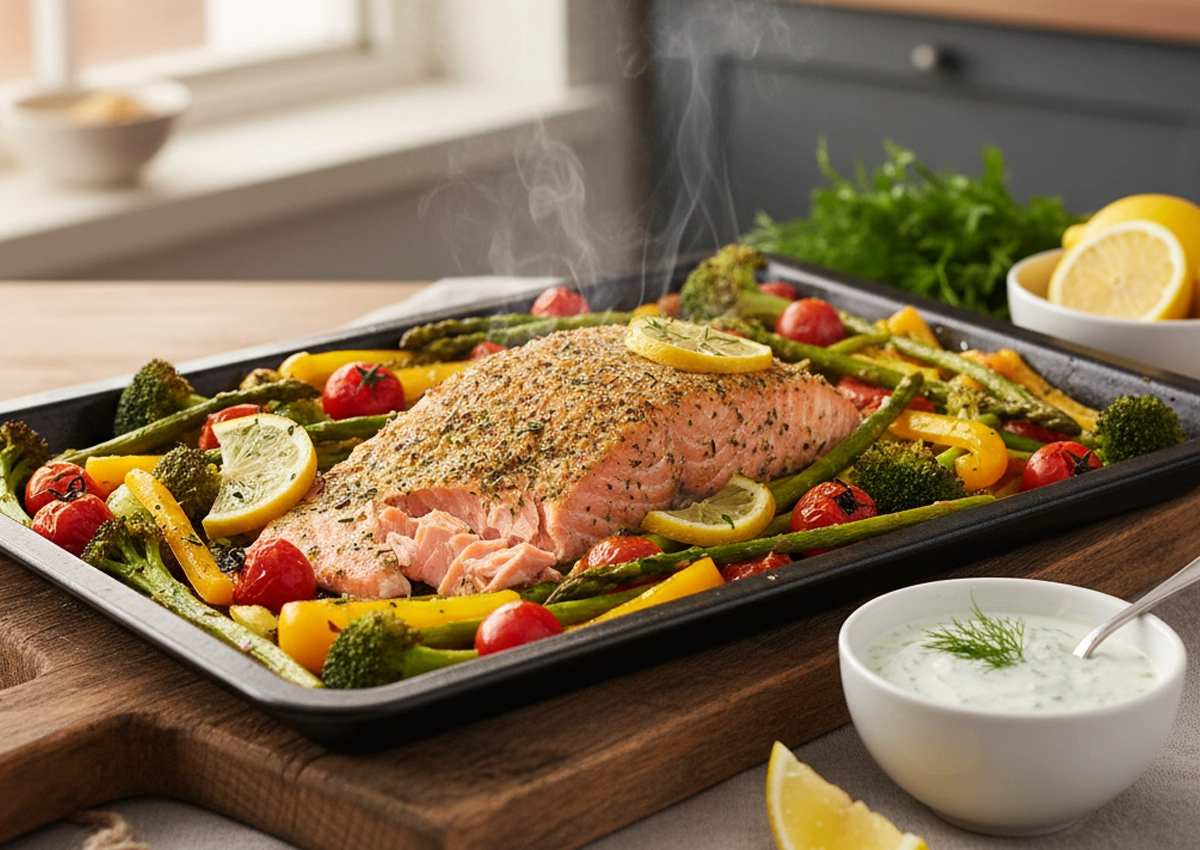
Quick Oven-Baked Salmon
By Tristan Welch
Simple, nutritious, and full of fresh flavour, this Quick Oven-Baked Salmon is an ideal weeknight meal. Ready in under 25 minutes, perfectly baked salmon is paired with colourful vegetables and a light, creamy dill sauce made with quark and lemon. It’s a one-dish wonder that proves healthy eating can be easy, comforting, and delicious—perfect for busy days when you want clean, wholesome food without the fuss.

Exercise and diet for weight loss – a guide to healthy weight reduction
Losing weight in a healthy and sustainable way is not about quick fixes or extreme methods, but about making changes to your diet, exercise, and lifestyle that you can maintain over time.
In this article, we discuss how diet and physical activity work together, and how small changes in your daily routine can contribute to better long-term health.

How stress affects weight – why losing weight can be more difficult
Stress and weight loss are often connected. During prolonged stress, the body is affected by hormones such as cortisol and adrenaline, which can influence how the body uses energy, our appetite, and our eating habits. This can cause some people to lose weight, while others find it harder to lose weight – or even gain weight (1).
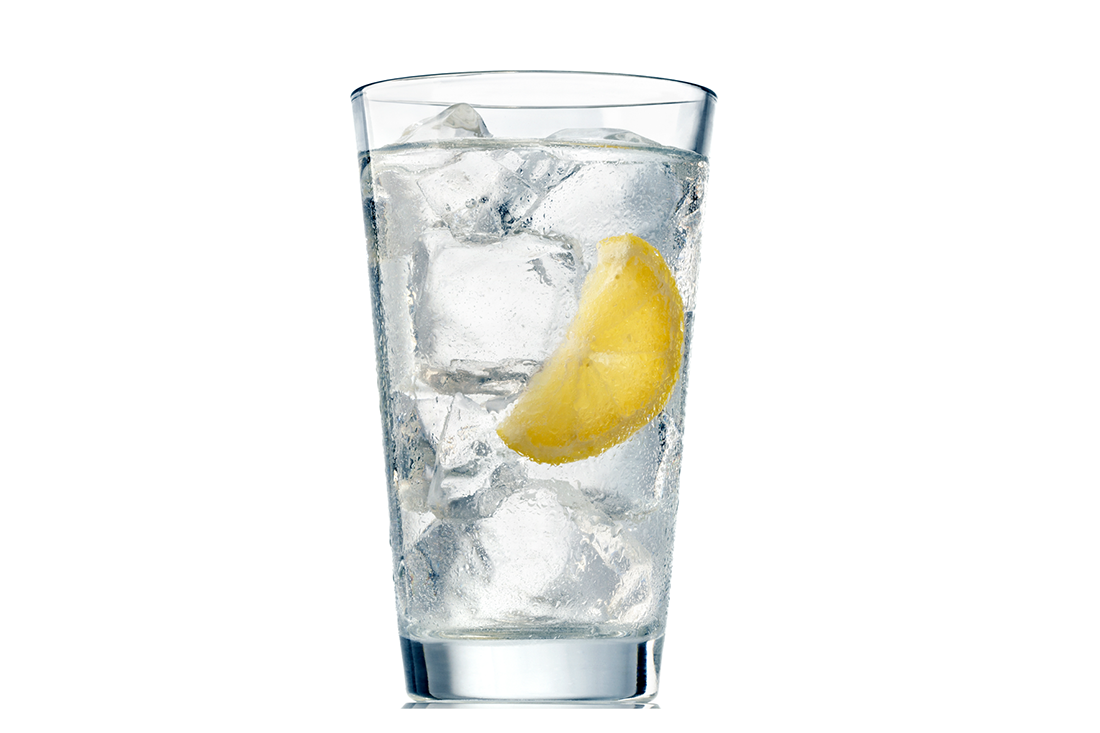
Lose weight with rehydration solution? Here’s why that’s a misconception
It’s easy to be tempted by simple solutions that promise quick results when you want to lose weight. Sometimes, tips circulate claiming that you can lose weight by drinking large amounts of rehydration solution. This idea is based on a misunderstanding of how the body’s fluid balance works.
Rehydration solution is designed to replace fluids and salts, for example during diarrhoea, vomiting, or heavy sweating – not for weight loss. It may temporarily affect your weight by restoring your fluid balance, but there is no scientific evidence that rehydration solution or similar products lead to long-term weight loss.
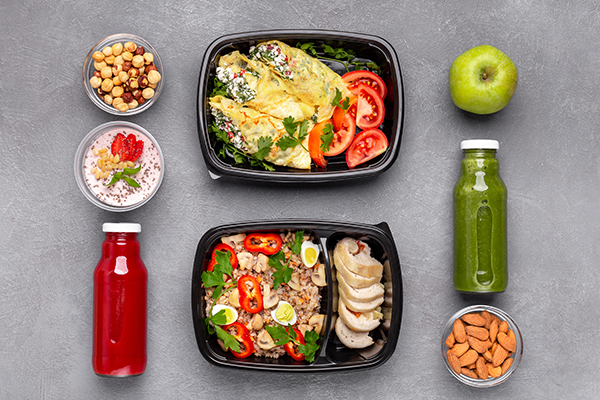
The best diet to lose weight quickly – how to do it in a healthy way
When the goal is to lose weight quickly, it’s easy to get caught up in headlines and new trends. However, research consistently points in the same direction: the best diet for losing weight is the one you can maintain over time — one that creates a calorie deficit while still providing enough nutrients, vitamins, and minerals. When your energy intake (kcal) is lower than your energy expenditure, your weight decreases – regardless of what the diet is called (1,2).

Losing weight after pregnancy – advice for new mothers
Losing weight after pregnancy is an individual process that looks different for everyone. For some, the weight decreases gradually and with little effort, while others find that it doesn’t decrease as expected despite healthy eating and exercise habits. How easy or difficult it is to lose weight depends on several factors, including how much weight you gained during pregnancy, your pre-pregnancy weight, diet, physical activity, genetics, and sleep.
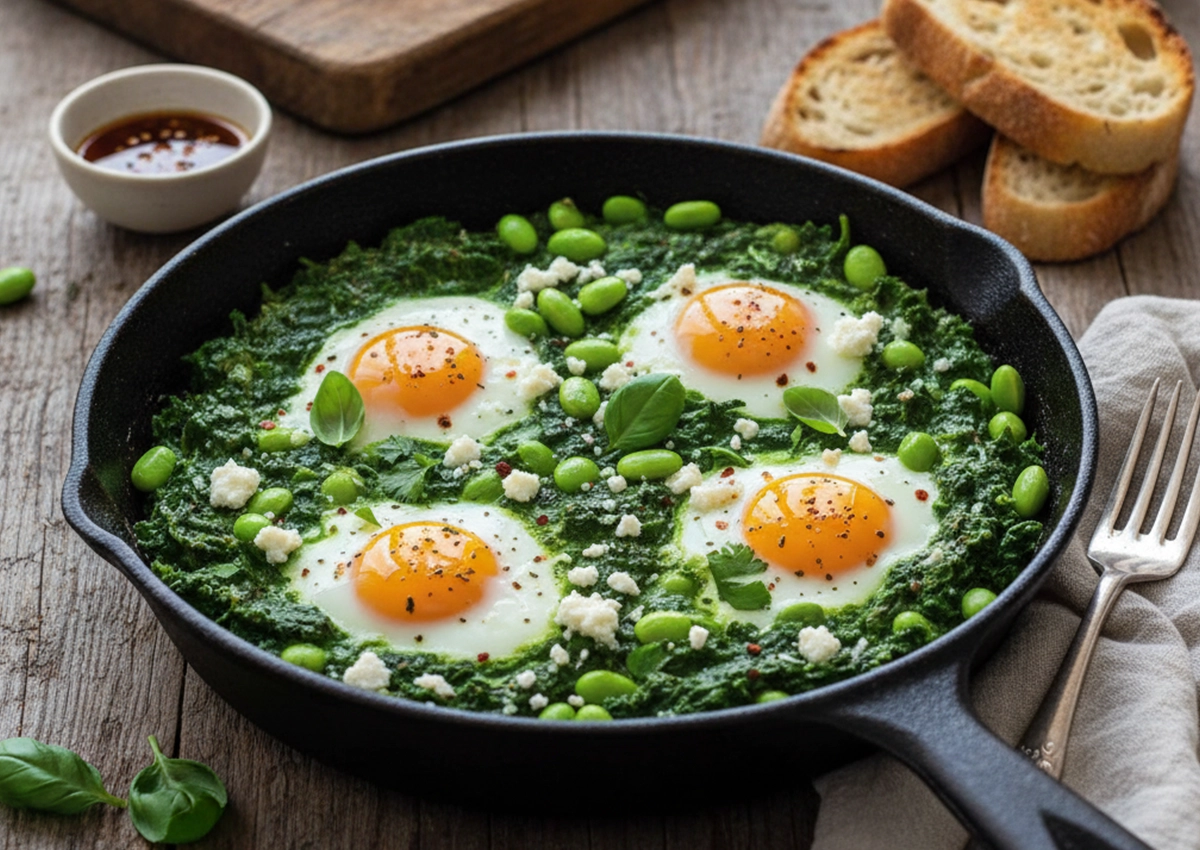
Green Shakshuka with Edamame & Feta
By Tristan Welch
Bright, wholesome, and bursting with flavour, this Green Shakshuka is a vibrant twist on a classic. Packed with greens, protein-rich edamame, and creamy feta, it’s ready in just 25 minutes. Warm spices like cumin and coriander pair beautifully with soft eggs and tangy Greek yogurt, creating a comforting yet fresh dish perfect for brunch or an easy, nourishing dinner.

Why am I not losing weight? Common causes and what you can do about them
Many people find it difficult to lose weight, even when eating healthily and exercising regularly. You might recognise the feeling: you plan your meals, move more, and try to keep a steady routine — yet the number on the scales doesn’t budge. Sometimes, it even goes up instead.

Building muscle and burning fat – how it all fits together
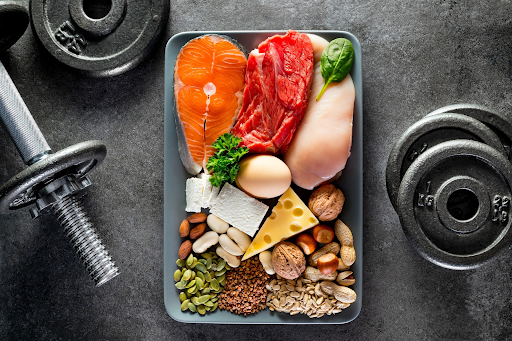
Many people who want to lose weight and build muscle focus mainly on the number on the scales. However, losing weight does not always mean losing fat. The body is made up of muscle, fat, water, and bone, so changes in weight can be caused by several different factors. To understand how you can build muscle and burn fat, you need to know how your body uses energy and what influences your calorie expenditure over time.



Testosterone, Obesity and Men's Health: Role, Health Impact, and Treatment Options
Obesity significantly impacts men’s hormonal health — particularly testosterone — increasing risks of fatigue, weight gain, and chronic disease; understanding this connection is key to effective treatment and long-term wellbeing.


Understanding the Far-Reaching Risks of Obesity in Men: A Comprehensive Overview
Obesity in men is more than a weight issue — it’s a complex medical condition with far-reaching health risks. From heart disease and liver problems to hormonal and psychological effects, understanding these connections is key to effective prevention and management.



Talking About Weight Loss With a Loved One
Conversations about weight with loved ones can be sensitive because they often carry stigma and personal emotions, making even well-intended concern feel like judgment. When approached with empathy, however, these talks can strengthen trust and encourage healthier habits.
