
Anders Bengtsson
Anders is a licensed physician specializing in internal medicine and endocrinology from Umeå University. He has worked for years as a senior consultant and training supervisor. At Yazen, he is Head of Medical Doctors, ensuring high medical competence and quality of care.



.jpg)

What is "Ozempic face"? The truth behind the term and what you can do about it
The term "Ozempic face" has spread like wildfire across social media and news reporting. It refers to an appearance characterized by sunken cheeks, increased wrinkles, and saggier facial skin that is sometimes seen during treatment with medications such as Ozempic, Wegovy and Mounjaro. But is it the medicine itself that ages the skin? The answer is no. The phenomenon is a natural biological consequence of rapid and significant weight loss—regardless of which method you use.
.jpg)
How do you get GLP-1 prescribed?
Thinking about weight loss medication and wondering what’s involved? You might have heard of Ozempic, Wegovy or Mounjaro, but feel unsure about how the process actually works. Here’s a clear guide to the criteria, the medical assessment and the usual steps before treatment can start, so you know what to expect.
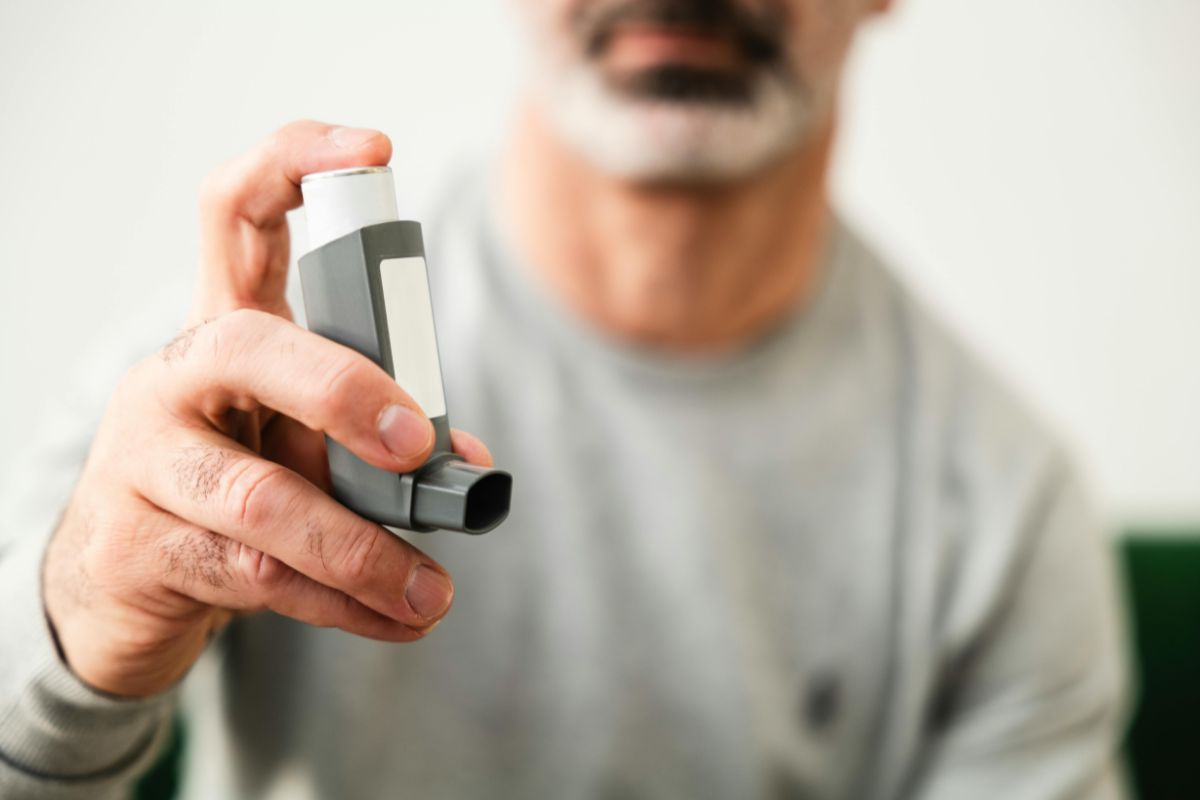
Asthma, exercise and obesity: what the science says, risks and practical guidance
Exercising with asthma is not only possible, it is often recommended. That said, being active can raise a lot of questions if you live with asthma. Could exercise make symptoms worse? Which types of activity are safer? And how should training be adapted?
In this guide, we look at what research says about exercise and asthma, the link between asthma and obesity, how weight loss may affect asthma control, and how to stay active in a safe and supportive way.

How to reduce the risk of loose skin after weight loss
Weight loss can bring significant positive changes for both health and wellbeing. At the same time, many people experience loose skin after substantial weight loss, especially if the weight has decreased rapidly or if they have lived with overweight or obesity for a long time.
Loose skin is a natural result of changes in the skin’s elasticity as the body adjusts. By understanding how the skin is affected after weight loss and which factors influence its elasticity, you can give the skin better conditions to tighten and feel firmer again.

Blood pressure – a guide to normal levels, high, and low blood pressure
Blood pressure shows the force of the blood as it is pumped out into the blood vessels. Both high and low blood pressure can affect your health negatively, but high blood pressure is of particular concern. If blood pressure remains elevated over a longer period, it increases the strain on the blood vessels, which raises the risk of cardiovascular disease.
Weight loss and healthy lifestyle habits — such as eating a nutritious, balanced diet, being regularly physically active and reducing alcohol intake — can often help lower blood pressure, but in some cases medication is also required.
Modern medical treatment of overweight and obesity with GIP and GLP-1 analogues – What happens in your body
Obesity is now one of the world’s greatest public health challenges. According to the WHO, more than 1 billion people worldwide have obesity, including over 650 million adults and 340 million children and adolescents. The prevalence has more than tripled since 1975 and continues to rise in almost every part of the world.
Having severe overweight or obesity is not only about body weight but about health. A high proportion of body fat increases the risk of many different diseases, such as type 2 diabetes, cardiovascular disease, osteoarthritis and certain types of cancer (1).
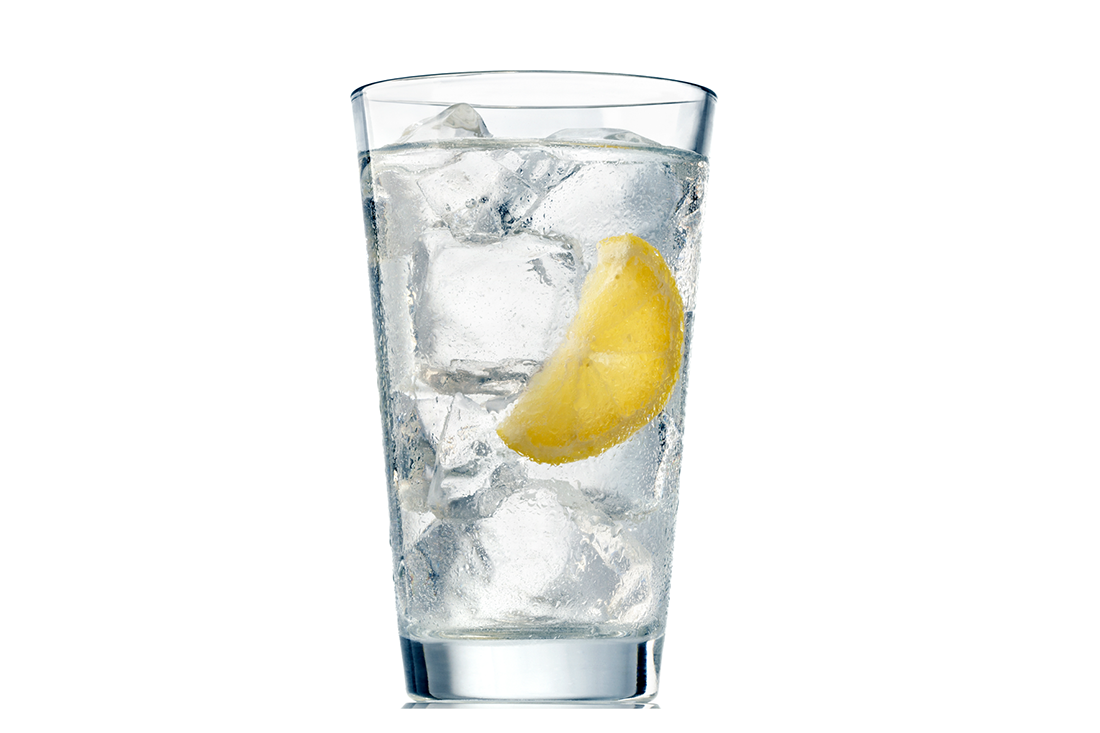
Lose weight with rehydration solution? Here’s why that’s a misconception
It’s easy to be tempted by simple solutions that promise quick results when you want to lose weight. Sometimes, tips circulate claiming that you can lose weight by drinking large amounts of rehydration solution. This idea is based on a misunderstanding of how the body’s fluid balance works.
Rehydration solution is designed to replace fluids and salts, for example during diarrhoea, vomiting, or heavy sweating – not for weight loss. It may temporarily affect your weight by restoring your fluid balance, but there is no scientific evidence that rehydration solution or similar products lead to long-term weight loss.

Ozempic and diet: Are there any foods you should avoid?
Modern medical treatment for overweight and obesity helps many people lose weight, improve their health, and maintain a lower weight over time. However, some experience side effects such as nausea, heartburn, or constipation. For most people, these symptoms are most common at the beginning of treatment and during dose increases. The side effects are usually mild and can often be prevented.