

Get rid of belly fat – why it accumulates around the stomach and how you can reduce it
Many people want to get rid of belly fat for aesthetic reasons, but the health benefits of reducing your waist circumference are significantly more important. A waist circumference over 80 cm for women and 94 cm for men increases the risk of both type 2 diabetes and cardiovascular disease. In this article, we explain what belly fat is, why it often accumulates around the stomach, and which changes can reduce waist circumference in a healthy way.


.svg)
What is belly fat (visceral fat)?
When we talk about body fat, it is important to distinguish where the fat is located, as it affects the body in different ways.
• Subcutaneous fat: is fat located just under the skin, for example on the thighs and hips. From a purely medical perspective, this fat is relatively harmless and has a protective and insulating function.
• Belly fat (visceral fat): is fat located deeper inside the abdominal cavity, surrounding our internal organs such as the liver, intestines, and pancreas.
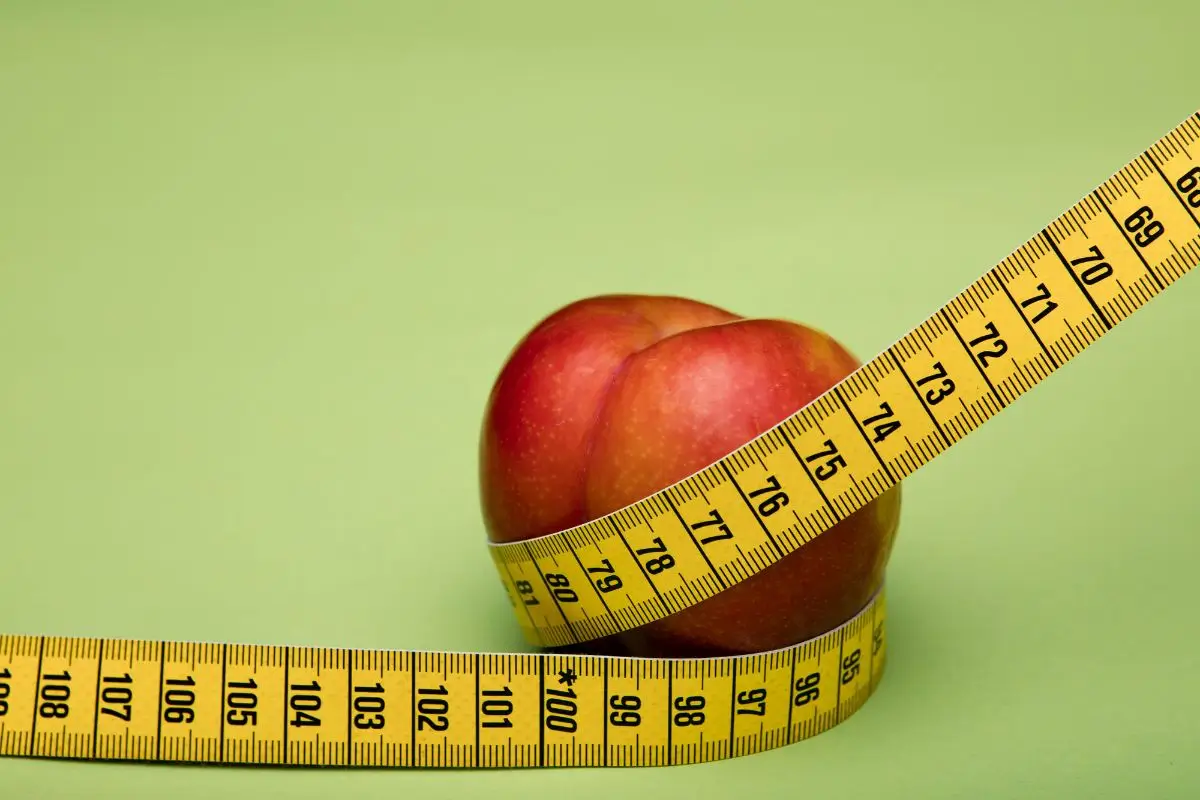
Waist circumference is a simple measure that can provide an estimate of the amount of belly fat. For women, a waist circumference over 80 cm and for men over 94 cm means an increased risk of type 2 diabetes and cardiovascular disease. A waist circumference of 88 cm or more in women and 102 cm or more in men means an even higher risk, for example for cardiovascular disease. Waist circumference is therefore an important complement when assessing health.
Why abdominal obesity can increase the risk of disease
Belly fat is more than just an energy reserve; it functions as its own hormonally active organ. When the amount of visceral fat increases, the fat cells in the abdomen begin to secrete inflammatory signaling substances, known as cytokines, into the bloodstream. This creates a chronic, low-grade inflammation in the body. In the long run, this inflammation can lead to insulin resistance, which means the body's cells have more difficulty absorbing glucose from the blood and insulin levels rise. It is this underlying process that makes belly fat a strong risk factor for, among other things, high blood pressure, type 2 diabetes, and cardiovascular disease.
The risk of being affected is generally higher for men, as they biologically more often store fat centrally in the abdomen. In women, this type of fat storage increases primarily after menopause when hormone levels change. Where the fat is located on the body therefore matters for health, not just how much you weigh.
Why does fat accumulate around our internal organs?
Belly fat is influenced by several interacting factors. Some we can influence ourselves, others we cannot. Here are some of the most important:
Increased amount of body fat
Belly fat usually increases in connection with an increase in the total amount of body fat. This happens when energy intake over a long period is greater than the body's energy expenditure. When the body's fat mass increases, the amount of fat stored in the abdomen, including visceral fat, also increases.
Heredity and gender
Fat distribution is to a large extent hereditary and is also influenced by sex hormones. Men more often have more fat stored centrally (android fat distribution), while women of childbearing age more often store more subcutaneous fat on the hips and thighs (gynoid fat distribution). The difference is due, among other things, to sex hormones such as estrogen and testosterone.
Hormonal changes and aging
When estrogen levels decrease during menopause, fat distribution can change so that a larger proportion is stored around the waist. Aging itself also affects body composition. Muscle mass gradually decreases over the years, which can cause the proportion of body fat to increase, especially in the abdomen.
Stress and lack of sleep
Sleep and stress can affect waist circumference. With a lack of sleep, hormones that control hunger and satiety are disrupted, which can increase appetite and make it harder to maintain a stable weight. Long-term stress can also affect the body through the stress hormone cortisol, which is linked to increased fat storage in the abdomen.
What can you do to reduce your waist circumference?
It is not possible to spot-reduce fat on a specific part of the body, such as the stomach. When you reduce the total amount of body fat, belly fat also decreases. For most people, it involves a combination of changed eating habits, regular physical activity, and sustainable lifestyle habits over time. Here are some tips and advice that can help you reduce your waist circumference.
1. Lose weight – even a small weight loss can provide major health effects
You do not need to lose a lot of weight to improve your health. A weight loss of approximately 5–10 percent of body weight can provide clear improvements in blood pressure, blood lipids, and blood sugar. Research shows that visceral fat often decreases relatively early during weight loss, which can improve the body's sensitivity to insulin and reduce the risk of type 2 diabetes and cardiovascular disease.
2. Review your eating habits and create an energy deficit
To lose weight, you need to be in an energy deficit over time. This means that you expend more calories than you take in through food and drink. One of the most effective strategies is to review your diet. This can, for example, involve:
- eating more vegetables, legumes, and whole grains that provide volume and satisfy well
- having a higher protein diet for increased satiety and to preserve muscle mass during weight loss
- reducing the intake of sugary drinks, candy, snacks, and pastries
- being mindful of alcohol, which can contribute to increased energy intake
3. Exercise regularly
Regular physical activity can reduce fat around the internal organs. One explanation is that visceral fat has a higher turnover rate than subcutaneous fat. It is more hormonally sensitive and is released more easily as energy when you move. Physical activity also improves insulin sensitivity and positively affects blood pressure, blood lipids, and blood sugar. Even if weight does not change significantly, a reduced waist circumference can mean important health gains for the heart and blood vessels. A combination of cardiovascular training (aerobic exercise) and strength training provides the best effect on metabolic health.
4. Prioritize sleep and recovery
Try to get enough sleep, preferably 7–8 hours per night. Lack of sleep and long-term stress can affect the body's hormones, including cortisol, and can contribute to more fat being stored in the abdomen. Getting enough sleep also positively affects the body's hunger and satiety hormones and makes it easier to maintain a healthy weight.
When is it time to seek care?
It can be important to seek care if you have a high waist circumference and simultaneously:
- have high blood pressure, elevated blood lipids, or elevated blood sugar
- snore a lot, are often tired, or suspect sleep apnea
- have close relatives who have developed cardiovascular disease at a younger age
- feel that it is difficult to influence weight or waist circumference on your own and want support
By seeking care, you can get professional help to assess your situation and support in finding a healthy lifestyle that suits you. In some cases, lifestyle changes are not enough to achieve sufficient weight loss or reduce waist circumference. In those cases, medical weight treatment can be an alternative, for example with medication as part of a structured treatment and follow-up. At Yazen, you can receive support from a care team with medical competence in overweight and obesity. Do not hesitate to get in touch if you are unsure – it is an important step toward better health.
Summary
Abdominal obesity is particularly linked to health risks, which is why it is important to measure your waist. If you as a woman have a waist circumference over 80 cm, or as a man over 94 cm, it can be a sign that you have too much belly fat and thus an increased risk of health problems. There are several ways to reduce waist circumference. A balanced diet that leads to weight loss is an effective way to reduce belly fat. Training also plays a major role, as does getting enough sleep and recovery. Sometimes, however, lifestyle changes are not enough to affect weight or get rid of enough belly fat. Then medical weight treatment can be an alternative. You do not have to make the change alone; there is support available if you want help getting started and sticking to new habits.


March 2, 2026
April 16, 2026
Start your weight loss journey with Yazen today
Everything you need to do is to create an account and answer some questions about your health
.svg)
.svg)
More articles



Lipedema or obesity – how can you tell the difference?
Understanding why the body does not always respond as expected to diet and physical activity is an important starting point for the right treatment. Lipedema and overweight can in some cases resemble each other, but are two different conditions with distinct underlying mechanisms. They can also occur simultaneously, which can further complicate the clinical picture.

MariTide – new drug treatment for obesity under development
Interest in new drug treatments for obesity has increased markedly in recent years. MariTide is a treatment under clinical development that could potentially contribute to an increased understanding of the body's weight regulation and broaden treatment options for obesity.