STYLE SHEET
GLOBAL CSS
COLORS
ANIMATIONS
MEDIA QUERY
SPACING SYSTEM

Nicolas Dhondt

Licensed Psychologist (M.Sc. in Psychology)

Nicolas Dhondt is a licensed psychologist with a specialist focus in neuropsychology. He has experience in psychosis care, brain injury rehabilitation, and vocational rehabilitation. At Yazen, Nicolas works with psychological counseling and assessment, and he also supervises coaches in complex patient cases.


LinkedIn logo
Portrait imageOrange stylized human head with colorful flowers and vines growing out from the top and back.

Nicolas Dhondt is a licensed psychologist with a specialist focus in neuropsychology. He has experience in psychosis care, brain injury rehabilitation, and vocational rehabilitation. He has worked in both inpatient and outpatient settings, with an emphasis on understanding and supporting individuals with complex cognitive and emotional difficulties in their recovery and daily functioning.

Through his work, Nicolas has developed particular expertise in assessing and treating cognitive sequelae following brain injury, as well as in addressing psychological processes related to motivation, self-concept, and life adjustment. In vocational rehabilitation, he has collaborated with employers and public authorities to create sustainable pathways back to work and participation.

At Yazen, Nicolas works with psychological assessment and counseling, particularly in the areas of eating disorder problems and emotional eating. He supervises Yazen coaches in their work with complex patient cases and contributes to the dissemination of psychological knowledge through articles and discussions in the Yazen Community.

Beyond his clinical experience, Nicolas has a deep interest in music, art, and literature, and he is driven by integrating these forms of expression into his psychological practice—as sources of inspiration for recovery, self-understanding, and personal growth.

Articles by

Nicolas Dhondt

How stress affects weight – why losing weight can be more difficult

Stress and weight loss are often connected. During prolonged stress, the body is affected by hormones such as cortisol and adrenaline, which can influence how the body uses energy, our appetite, and our eating habits. This can cause some people to lose weight, while others find it harder to lose weight – or even gain weight (1).
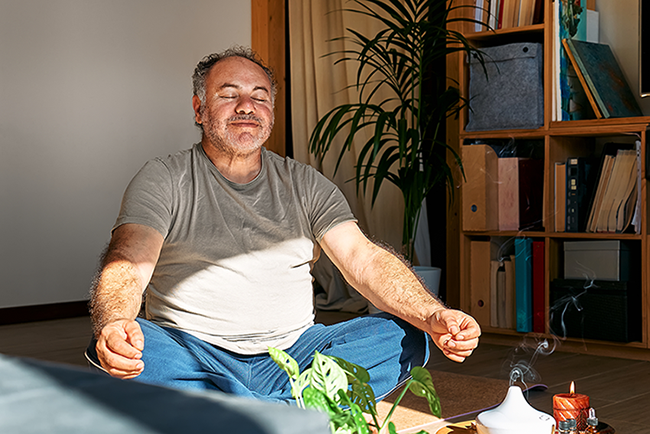
Use self-compassion to succeed with exercise

Changing habits is rarely just a matter of willpower – the way you talk to yourself makes a big difference. Through self-compassion, you can build motivation that lasts over time and makes exercise more joyful, not filled with guilt.

Find your best workout for weight loss – how to build habits that last

Talking About Weight Loss With a Loved One (Without Hurting Their Feelings)

Learn how to talk about weight with a loved one in a caring and respectful way. Explore empathetic strategies, what to say, and when expert support can help.

Talking About Weight Loss With a Loved One

Conversations about weight with loved ones can be sensitive because they often carry stigma and personal emotions, making even well-intended concern feel like judgment. When approached with empathy, however, these talks can strengthen trust and encourage healthier habits.