
Low-GI foods: advantages and disadvantages
The concept of the glycaemic index (GI) was introduced by researcher David Jenkins and his colleagues more than 40 years ago as a way to describe how carbohydrates affect blood sugar. Foods with a low GI produce a slower, more even rise in blood sugar, while foods with a high GI raise blood sugar more quickly. In this article, we go through how GI works, what the research says, and the pros and cons.


.svg)
What is GI (glycaemic index)?
GI describes how quickly the carbohydrates in food are broken down, absorbed, and affect blood sugar. The method is used to compare different carbohydrate sources based on how much – and how quickly – they raise blood sugar. GI is also an indirect measure of how much insulin the body needs to release to keep blood sugar stable. A food that raises blood sugar quickly will trigger a larger insulin release than one that raises blood sugar slowly.
The purpose of the GI method is not to eliminate carbohydrates, but to swap fast carbohydrates for slower ones. Carbohydrate-rich foods are ranked according to how quickly they raise blood sugar on a scale from 0–100.
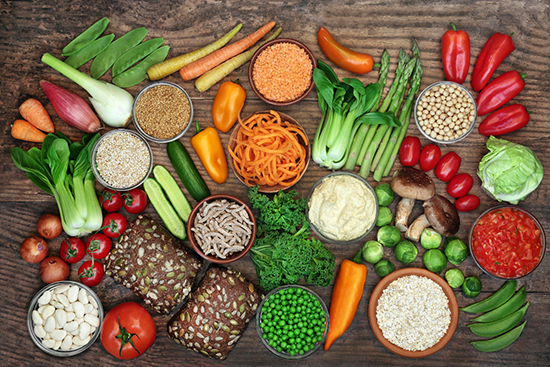
Low GI (0–55): Examples: vegetables, pulses, nuts, seeds, pasta, natural yoghurt.
Medium GI (56–69): Examples: couscous, rye bread, raisins.
High GI (70 or above): Examples: white bread, boiled potatoes, mashed potatoes, cornflakes, sticky rice, watermelon.
Benefits of eating low-GI foods
Eating low-GI foods may offer several health benefits, including:
- better blood sugar control, lower weight, and improved blood fats in people with type 2 diabetes
- a lower risk of cardiovascular disease among people who eat more slow-release carbohydrates compared with a high-GI diet, according to large international population studies
- reduced intake of sugar, sweet foods, and refined carbohydrates
- higher intake of fibre-rich, filling foods, which may support weight loss or help maintain a healthy weight
At its core, the GI method is a healthy way of eating. It is based on a high intake of vegetables, fibre, wholegrains, fruit, berries, beans, lentils, and other nutrient-rich foods.
Drawbacks of eating low-GI foods
The GI method can be a helpful tool for weight loss and healthy living, but it also has several limitations. GI does not take into account how much carbohydrate you actually eat in a typical portion, which also affects blood sugar. The same food can also have different GI values depending on how it is cooked, how ripe it is, and what it is eaten with.
GI only considers single foods, not the composition of the whole meal. For example, if you eat white bread with lentil soup, the rise in blood sugar will be lower than if you eat the bread on its own, because protein and fibre in the meal slow down carbohydrate absorption. In other words, it is the overall meal that matters, not individual foods.
Many people use the GI method to lose weight, and for some it works well. However, a low GI does not automatically mean a low energy intake. Some foods have a low GI because they are high in fat, which makes them energy-dense. If the focus is only on the GI value, there is a risk that energy intake becomes high even though the food is classified as “low GI”, which can make weight loss harder.
GI also says nothing about a food’s nutrient content, such as vitamins, minerals, or antioxidants. Some foods may be labelled as “bad” or “good” based on GI alone, even though they have other nutritional strengths or weaknesses. This means it is easy to be misled by GI tables.
GI recipes that consider the whole picture
To create healthy, GI-friendly meals, you need to consider several factors at the same time, i.e. the amount of carbohydrate, the type of carbohydrate, fibre content, cooking method, and how the food is combined with protein and fat.
Get inspired by our healthy recipes. The recipes include plenty of vegetables, protein, healthy fats, and a balanced amount of slow-release carbohydrates. Food should both taste good and do you good.
- Quinoa salad with feta
- Cream cheese–stuffed chicken with oven-roasted vegetables and rice
- Filling lentil and sweet potato soup
- Greek quinoa bowl with tzatziki
- Avocado toast with cottage cheese and tomato
GI and Yazen’s comprehensive approach
At Yazen, we do not promote a particular diet, but a sustainable way of eating and living based on nutritional recommendations and medical knowledge. The starting point is always the bigger picture – support, medical treatment, healthy habits, and a diet that works in your everyday life.
GI can be a valuable tool for some people, but it does not suit everyone and is rarely meaningful when used in isolation. The goal is instead to help you build sustainable habits that work over time and support both weight loss and long-term health.
Summary
The glycaemic index (GI) describes how quickly the carbohydrates in food affect blood sugar and can lead to better blood sugar control in people with diabetes. The GI method can also be beneficial for many people because it often includes plenty of fibre, vegetables, wholegrains, and pulses, which can increase fullness, reduce cravings, and make it easier to maintain a healthy weight.
At the same time, GI has clear limitations. GI values are influenced by portion size, cooking, and how foods are combined in a meal – and GI does not say anything about energy content or nutrient quality. That is why it is rarely helpful to judge individual foods purely using GI tables.
GI can be a useful tool for some, but it does not suit everyone. The most important thing is to focus on the overall quality of the diet, where both nutrient intake and total energy intake influence health.


December 14, 2025
January 13, 2026
Start your weight loss journey with Yazen today
Everything you need to do is to create an account and answer some questions about your health
.svg)
.svg)
More articles

Lose weight with rehydration solution? Here’s why that’s a misconception
It’s easy to be tempted by simple solutions that promise quick results when you want to lose weight. Sometimes, tips circulate claiming that you can lose weight by drinking large amounts of rehydration solution. This idea is based on a misunderstanding of how the body’s fluid balance works.
Rehydration solution is designed to replace fluids and salts, for example during diarrhoea, vomiting, or heavy sweating – not for weight loss. It may temporarily affect your weight by restoring your fluid balance, but there is no scientific evidence that rehydration solution or similar products lead to long-term weight loss.

What is Food Noise? Causes, Symptoms, and Treatment
Food noise involves persistent, unwanted, and tiring thoughts about food that can negatively affect quality of life. Unlike regular thoughts about food, food noise is often stressful and intrusive, revolving around hunger and cravings as well as rules, timing, and control. Food noise is a relatively new concept in research and puts into words something that many have recognized for a long time.
