

Low-GI foods: recipes and guide
The GI method was originally developed to help people with diabetes, but has since become a popular approach for healthier eating and more stable blood sugar levels. GI (glycaemic index) describes how quickly carbohydrates are broken down and absorbed into the bloodstream – the lower the GI, the more slowly blood sugar rises. In this guide, we explain what low-GI foods are and share practical tips for creating meals with a lower glycaemic index.

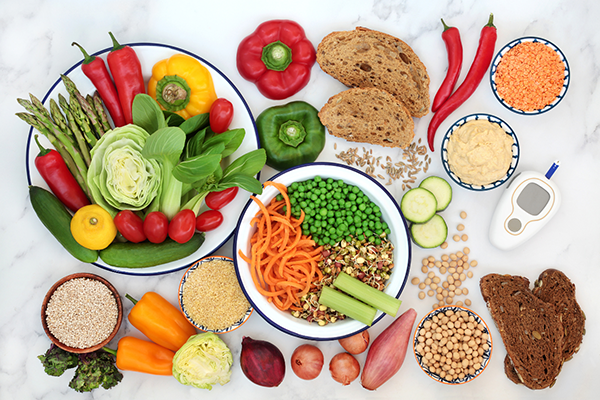

.svg)
A method for more stable blood sugar
GI stands for glycaemic index and is a way of measuring how quickly different carbohydrates are absorbed and affect blood sugar – often described as fast and slow carbohydrates.
Fast carbohydrates (high GI) are usually easier to digest, pass through the stomach quickly, and raise blood sugar more rapidly. This requires a larger insulin response to bring blood sugar levels down. Slow carbohydrates (low GI) have properties that slow digestion, resulting in a more gradual rise in blood sugar and often a lower insulin response.
This can be particularly important for people with diabetes, insulin resistance, or impaired glucose tolerance. At the same time, slow carbohydrates can benefit many people, as they are often richer in fibre and nutrients, improve satiety, reduce sugar cravings, and support a healthy weight.
What does low GI (low glycaemic index) mean?
The glycaemic index shows how quickly 50 grams of carbohydrates from a food raise blood sugar compared with the same amount of carbohydrates from glucose, which is used as the reference value. The scale ranges from 0 to 100.
- Low GI: 0–55
- Medium GI: 56–69
- High GI: 70+
How quickly carbohydrates are broken down and absorbed depends on several factors. Finely processed foods are digested faster than foods with intact structure – for example apple purée compared with a whole apple, or white bread compared with bread containing whole grains.
Soluble fibre can form a gel in the stomach and slow absorption. Protein, fat, and acidic foods such as vinegar or lemon also slow gastric emptying. Cooling carbohydrate-rich foods such as potatoes and rice can lower the GI by altering their chemical structure.
Examples of low-GI and high-GI foods
Only carbohydrate-rich foods have a GI value, as GI describes how carbohydrates affect blood sugar. Foods consisting mainly of fat or protein therefore do not have a GI value.
- Low-GI foods: Legumes (lentils, chickpeas, beans), most vegetables, wholegrain breads, quinoa, wheat berries, buckwheat, fruits such as citrus fruits, apples, and pears, milk and natural yoghurt.
- High-GI foods: White bread (baguette, white loaves), sticky white rice, instant rice, cakes, sweets, biscuits, quick-cook pasta, boiled potatoes and mashed potatoes, sugar, and sweetened drinks such as soft drinks, squash, and fruit juice.
It is important to remember that GI does not indicate how nutritious a food is, and excluding foods solely based on GI can be misleading.
Glycaemic load
In addition to GI, portion size also affects how much blood sugar rises. Some foods may have a high GI but contain relatively little carbohydrate per portion, resulting in a smaller blood sugar response.
Carrots, for example, have a relatively high GI but contain few carbohydrates per 100 grams. To reach 50 grams of carbohydrates – the amount used to calculate GI – you would need to eat around 750 grams of carrots.
A more practical measure is glycaemic load (GL), which considers both the GI value and the amount of carbohydrates in a typical portion. This makes it easier to compare foods in everyday eating.
Using the GI method in practice
- Eat plenty of coarse vegetables – they slow digestion of the entire meal
- Make a simple dressing with oil and vinegar or lemon
- Add beans and lentils to stews, soups, salads, or mix them into rice
- Many carbohydrate-rich foods have a lower GI when cooled – the effect often remains after reheating, so leftovers can be useful
- Choose fibre-rich carbohydrate sources such as wheat berries, wholegrain bulgur, or quinoa
- Combining carbohydrates with protein and fat slows absorption and creates a more balanced meal
- Avoid sweetened drinks – choose water or unsweetened alternatives
Get inspired
Here are some lower-GI recipes from Yazen’s dietitians:
Filling lentil and sweet potato soup
Greek quinoa bowl with tzatziki
Cream cheese–stuffed chicken with oven-roasted vegetables and rice
Avocado toast with cottage cheese and tomato
Low-GI foods and Yazen
At Yazen, we do not promote a specific diet, but a sustainable way of eating and living based on nutritional guidelines and medical knowledge. GI can be a useful tool for some people, but not for everyone.
The goal is to help you develop habits that work in your everyday life and support both weight loss and long-term health.
Start your own weight journey with Yazen.
Summary
Low-GI foods can be a practical way to create meals that provide more stable blood sugar levels and improved satiety. By choosing fibre-rich carbohydrates and combining them with protein and healthy fats, you can create more balanced meals.
GI is not a measure of how healthy a food is, but it can be a helpful support for some people. At Yazen, we work with nutrition, lifestyle habits, and medical treatment as an integrated part of our care model.


December 14, 2025
January 16, 2026
Start your weight loss journey with Yazen today
Everything you need to do is to create an account and answer some questions about your health
.svg)
.svg)
More articles

L-glutamine and weight loss: science and myths
L-glutamine is an amino acid often sold as a supplement for training and recovery. More recently, it has also been mentioned in connection with weight loss. But is there actually evidence that L-glutamine can help you lose weight? In this article, we go through what the research shows and clarify common claims about L-glutamine.
Weight loss supplements: options, effects and risks
Weight loss supplements are often marketed as quick, easy fixes, with promises of reduced appetite, more energy and increased fat burning. In reality, the effect is usually modest. In some cases they can be a small addition to a healthy diet, but they do not replace what really affects weight and health in the long term: everyday habits, energy balance and behaviour.
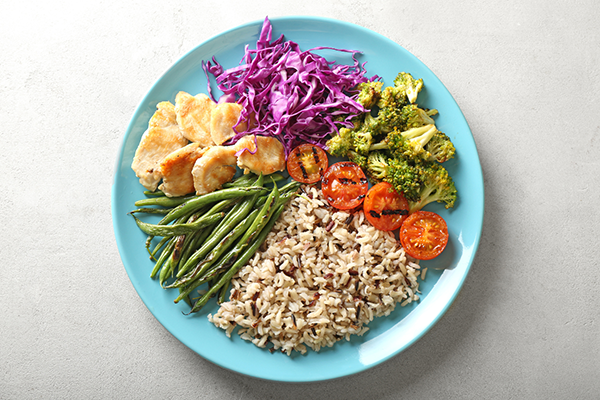
The plate model – a simple guide to balanced meals
The plate model is an educational tool designed to help you eat in a more balanced and healthy way, particularly at lunch and dinner. It serves as a simple guide for planning and assembling nutritious meals without the need for advanced nutritional calculations.