
Elinor Medhammar
Elinor Medhammar is a Registered Dietitian with experience in medical nutritional therapy and lifestyle interventions in primary care, research projects, and a specialist clinic for childhood obesity. At Yazen, she works on developing lifestyle programmes and app content to support patients in their weight journey.


.png)

Smoothies for weight loss. Do they actually work?
The answer is both yes and no. It’s not smoothies themselves that lead to weight loss, no matter how “healthy” they seem. Losing weight always comes down to being in a calorie deficit.
That said, smoothies can still have a place in a balanced diet. They can be a handy option when you’re short on time or don’t feel very hungry, and they’re also an easy way to get more protein, veg, fruit and berries into your day.

L-glutamine and weight loss: science and myths
L-glutamine is an amino acid often sold as a supplement for training and recovery. More recently, it has also been mentioned in connection with weight loss. But is there actually evidence that L-glutamine can help you lose weight? In this article, we go through what the research shows and clarify common claims about L-glutamine.

Weight loss supplements: options, effects and risks
Weight loss supplements are often marketed as quick, easy fixes, with promises of reduced appetite, more energy and increased fat burning. In reality, the effect is usually modest. In some cases they can be a small addition to a healthy diet, but they do not replace what really affects weight and health in the long term: everyday habits, energy balance and behaviour.
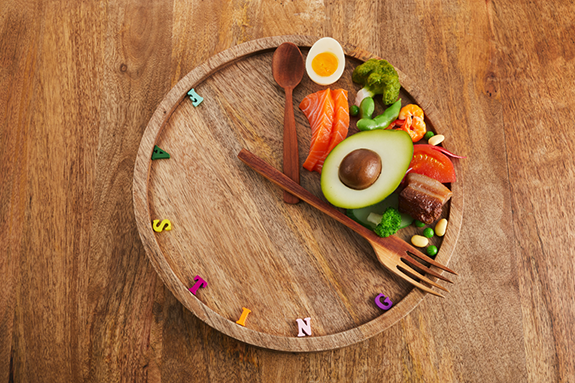
Downsides of fasting
Fasting is often used as a tool for weight loss and better health. There are several types of time-restricted eating, also called intermittent fasting. The most common are 5:2, 16:8, Eat Stop Eat, and alternate-day fasting. For some people, fasting can make mealtimes feel more structured and help reduce overall energy intake. But it is not right for everyone, and for some it can come with risks and limitations that are important to know about.
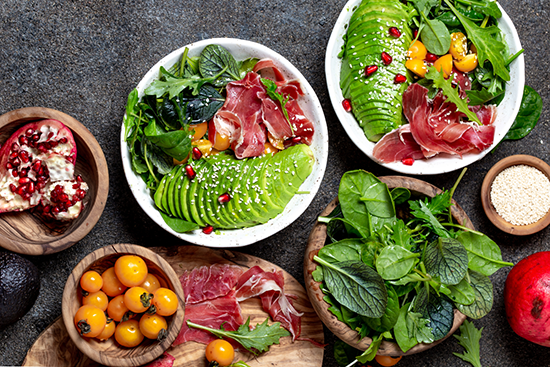
Is ketosis dangerous? When it can be risky and the downsides of the keto diet
The word “keto” comes from ketones – substances the body produces when it mainly uses fat for energy instead of glucose. When ketone levels rise in the blood, this is called ketosis. It’s a natural state the body can enter during things like fasting or when you eat very few carbohydrates. But when can ketosis be harmful, and what are the risks of a ketogenic diet? In this article, we look at what the research actually says.

What are ketones? Ketosis explained scientifically
In the liver, fat is converted into ketones – an alternative fuel for the body and brain when carbohydrate availability is low. This state is called ketosis, or “keto” in everyday terms, and is an important part of the body’s ability to adapt to periods of limited energy availability. In this article, we explain ketones and ketosis – what they are, how they are produced, and why they matter.
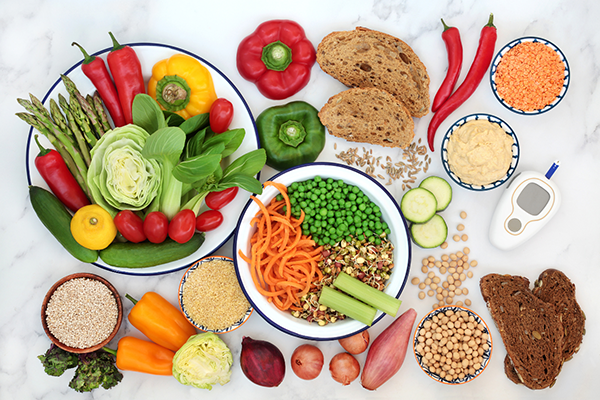
Low-GI foods: recipes and guide
The GI method was originally developed to help people with diabetes, but has since become a popular approach for healthier eating and more stable blood sugar levels. GI (glycaemic index) describes how quickly carbohydrates are broken down and absorbed into the bloodstream – the lower the GI, the more slowly blood sugar rises. In this guide, we explain what low-GI foods are and share practical tips for creating meals with a lower glycaemic index.
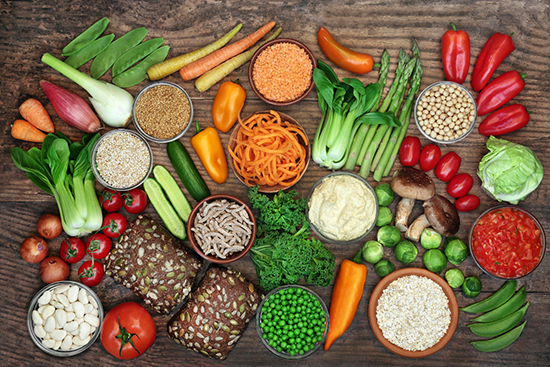
Low-GI foods: advantages and disadvantages
The concept of the glycaemic index (GI) was introduced by researcher David Jenkins and his colleagues more than 40 years ago as a way to describe how carbohydrates affect blood sugar. Foods with a low GI produce a slower, more even rise in blood sugar, while foods with a high GI raise blood sugar more quickly. In this article, we go through how GI works, what the research says, and the pros and cons.
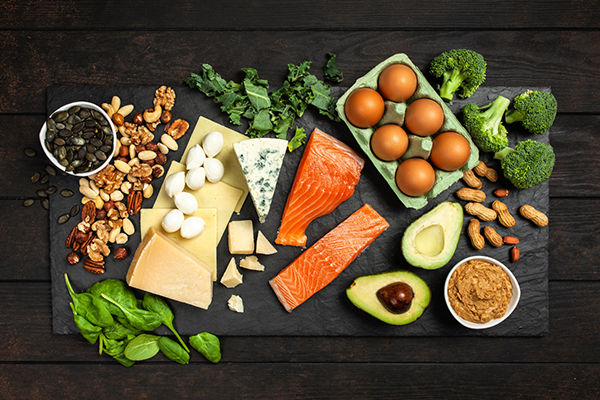
Ketosis weight loss per week: guide and long-term goals
In the early 20th century, doctors discovered that ketosis – a state in which the body uses fat as its main source of energy – could reduce severe epileptic seizures. Today, the ketogenic diet is best known in the context of weight loss and health, with promises of rapid weight loss and improved metabolic health. But what actually holds true? In this guide, we explore the relationship between ketosis, weight loss, and health.
